Dissertation-AI.co.zaCheck workflow
Dissertation AI tools

AI for dissertations: plan and protect the work

Compare AI tools for proposal planning, literature review, methodology checks, ethics clearance, referencing and final revision.

Useful for structure, sources and checks. Not a ghostwriter and not a replacement for your research contribution.

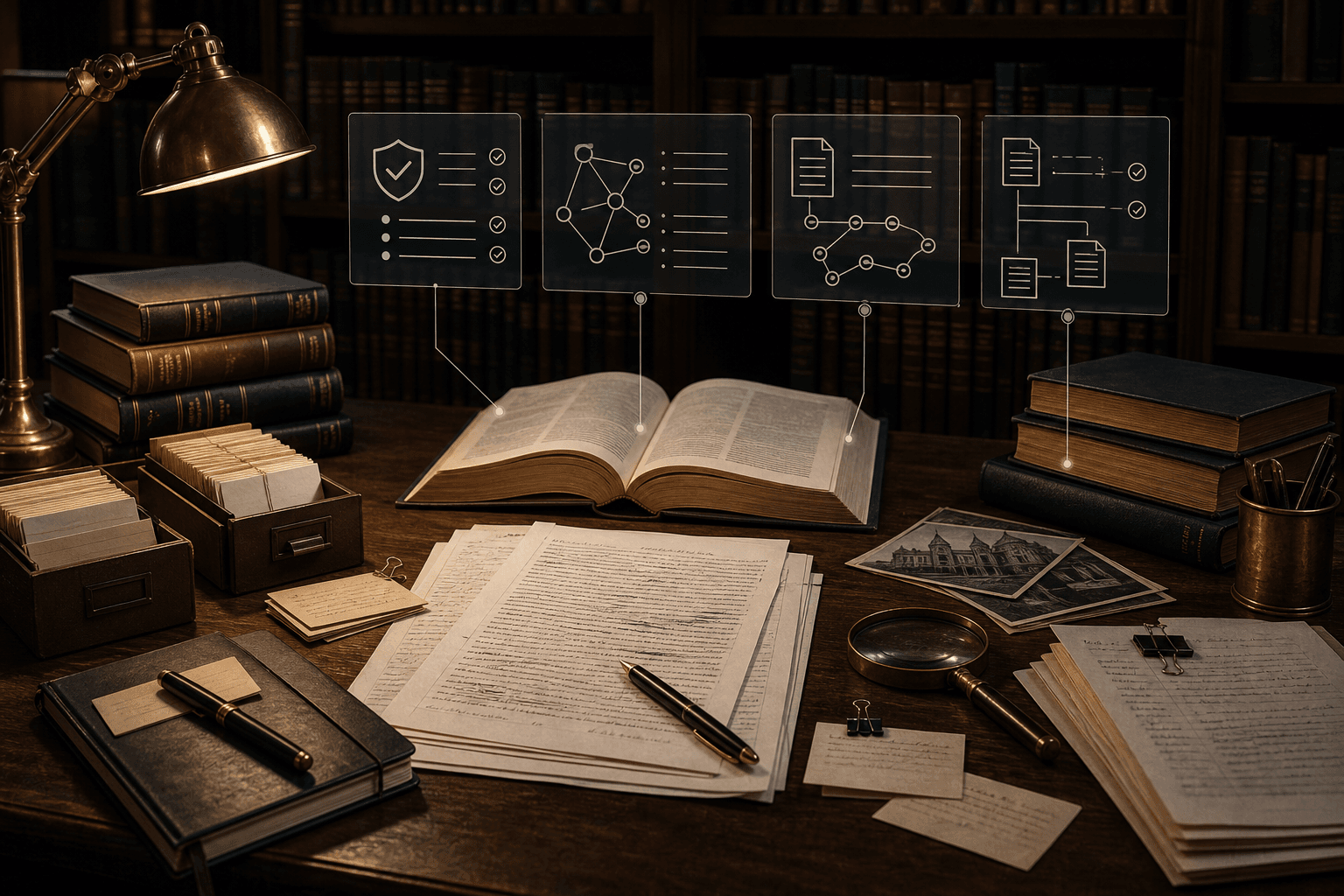
Calm dissertation workspace with books, chapter notes and a structured AI research workflow
ProposalMethodologySourcesEthicsSubmission
Recommended workflow

StudyTexter connects the dissertation work instead of scattering tool outputs.

StudyTexter is positioned here as the full workflow for topic, source work, outline, chapter logic, referencing and final checks. Scite, Connected Papers, NotebookLM and Zotero remain useful, but each has a narrower role.

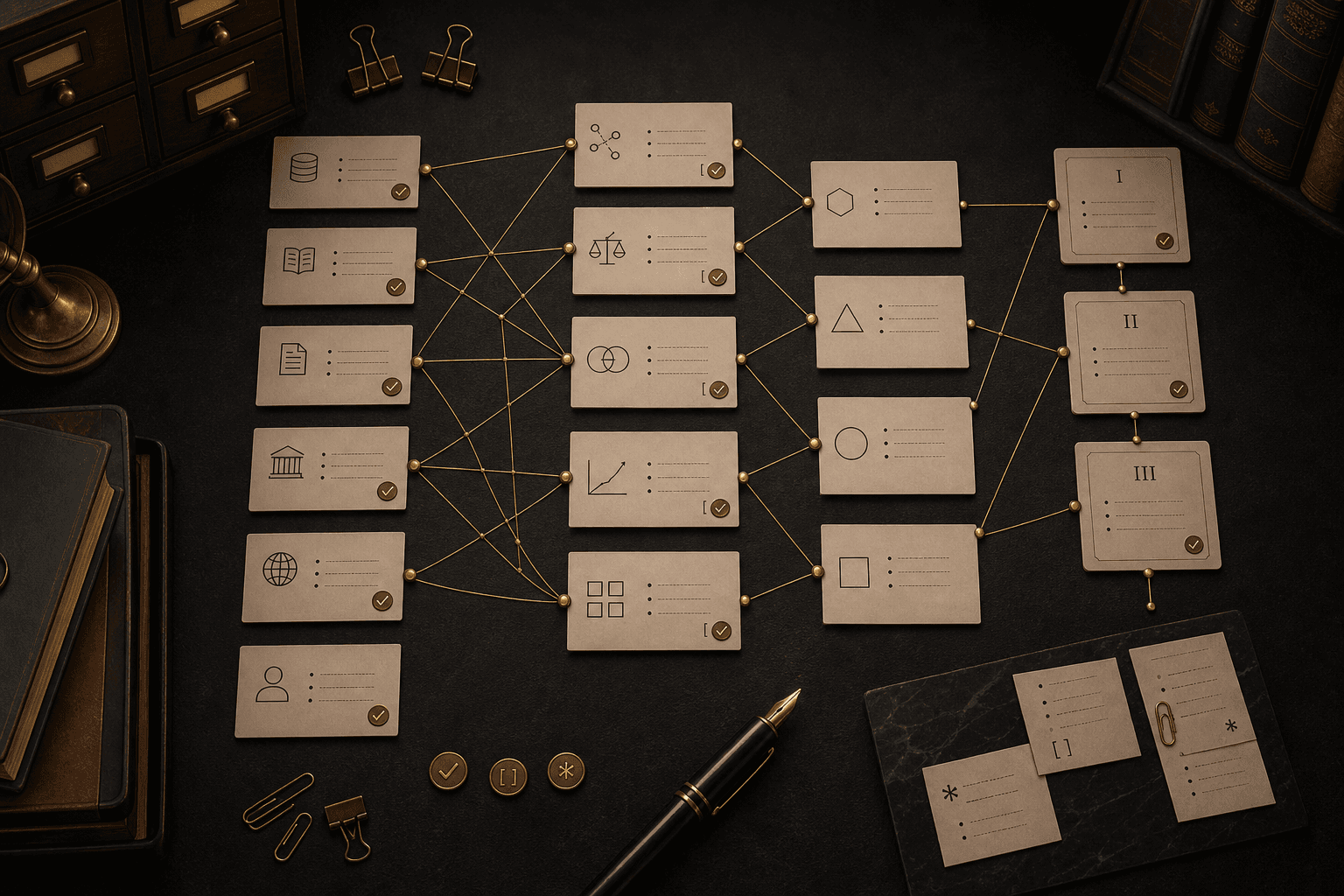
Citation chain and dissertation reference system with checked source links
Recommended workflow

StudyTexter

Best for
Topic planning, literature workflow, chapter logic, referencing and final checks.
Not for
Replacing your supervisor, research design, data analysis or original argument.
Dissertation risk
Keep a clear record of which chapter or task each AI step supported.
Visit tool
Citation context

Scite

Best for
Checking whether later papers support, limit or challenge a key source.
Not for
Deciding your literature review or research gap automatically.
Dissertation risk
Treat labels as leads. Read the original citing passage before relying on it.
Visit tool
Literature map

Connected Papers

Best for
Finding related papers and research clusters around a strong seed paper.
Not for
Final source selection or proof that a paper belongs in your core review.
Dissertation risk
Graph distance is not the same as relevance to your question.
Visit tool
Your approved PDFs

NotebookLM

Best for
Asking structured questions of PDFs, extracts and notes you are allowed to use.
Not for
Uploading interviews, unpublished data or confidential material without clearance.
Dissertation risk
Check university policy, ethics clearance and consent before uploading data.
Visit tool
Reference control

Zotero

Best for
Keeping metadata, notes, collections, tags and citation styles under control.
Not for
Judging the quality of a theory, method or finding for you.
Dissertation risk
Imported metadata still needs manual checking before submission.
Visit tool
Language revision

DeepL Write / LanguageTool

Best for
Improving readability, sentence flow and grammar after the argument is settled.
Not for
Smoothing over weak findings, unclear limitations or missing evidence.
Dissertation risk
Do a content check before a language polish.
Visit tool
Non-negotiables for dissertations
Your contribution stays yoursSources must be checkedResearch data needs clearanceAI use should be documented
Workflow check

Put supervisor, sources, method and ethics before any AI prompt.

A responsible AI plan starts with your university rules and research design. Once the boundaries are clear, tools can help you organise sources, prepare chapter checks and revise language without taking over authorship.

Read the detailed guides
  • University AI policy checked
  • Supervisor expectations noted
  • Proposal and methodology aligned
  • Ethics clearance limits understood
  • References and metadata checked
  • AI-use log ready if required
Dissertation check

Map the tool roles before you write.

The recommendation check helps match AI support to your current dissertation stage: proposal, literature review, methodology, ethics limits, chapter logic, references and final revision.

  • Keep supervisor feedback and faculty rules visible
  • Separate literature work from research data and participant material
  • Use StudyTexter for the connected workflow, not as a ghostwriter
1
Details
2
Recommendation

Create a personal tool recommendation

Add your subject, dissertation stage, method, material and deadline. You will get an English recommendation with practical limits.

~2 Min.
e.g. psychology, law
1 - 120
multiple choice
optional
Dissertation control

Every AI step should have a clear purpose and a clear boundary.

The useful question is not whether AI can produce more text. It is whether it helps you make the dissertation more traceable, better sourced and easier to review with your supervisor.

  1. SSupervisor

    Keep feedback, proposal expectations and faculty rules stronger than tool suggestions.

  2. DData

    Classify public sources, notes, interviews and unpublished data before using any external tool.

  3. RRecord

    Keep AI use visible by task, chapter, material and date when transparency is required.

Quick answer

AI can support a dissertation, but it must not become the author.

Use AI for planning, source organisation, chapter consistency, supervisor questions and language revision. Do not use it to invent sources, decide your method, interpret data or hide gaps in the argument.

  1. 01Start with your university rules

    Check AI policy, dissertation guidelines and your supervisor's expectations before using tools.

  2. 02Separate public sources from research data

    A journal article, an interview transcript and an unpublished dataset do not carry the same risk.

  3. 03Use AI to prepare better decisions

    Ask for structure, questions and checks. Do not outsource the research contribution.

Support vs authorship

What AI may support and what stays with you.

The boundary is simple: AI can organise and question your work. It cannot become the source of your research contribution.

Useful support

AI can structure material and prepare better checks.

Use tools where existing material needs sorting, comparison, question prompts or final language improvement.

  • Map literature fields
  • Prepare supervisor questions
  • Check chapter consistency
  • Improve readability after content checks
Not delegatable

Your method, analysis and argument remain your responsibility.

A dissertation needs your own research problem, methodological judgement, data interpretation and final claim.

  • Research contribution
  • Methodological decision
  • Data interpretation
  • Final academic argument
Traceability first

AI may organise the work, but it must not fake academic substance.

Useful help

Organise, question, revise

AI can sort notes, suggest supervisor questions, test chapter flow and improve language when the material is already yours.

Hard limit

No fake originality

A tool must not invent a research gap, make up source support or pretend to interpret data you have not analysed.

Record

Keep a simple AI-use log

Record the tool, date, purpose, chapter and material used if your department or supervisor asks for transparency.

Dissertation route

From proposal to submission, with real control points.

AI tools are useful only when they fit into the actual dissertation process your university expects.

01 / Start

Proposal

What exactly is the research problem, and what does your supervisor need to approve?

02 / Sources

Literature review

Which sources define the field, and which only provide background?

03 / Design

Methodology

Does your method actually answer the research question within your time and data limits?

04 / Risk

Ethics clearance

Do your data, participants, consent forms or institutional rules limit tool use?

05 / End

Submission

Are references, appendices, declarations and AI-use notes ready for final checks?

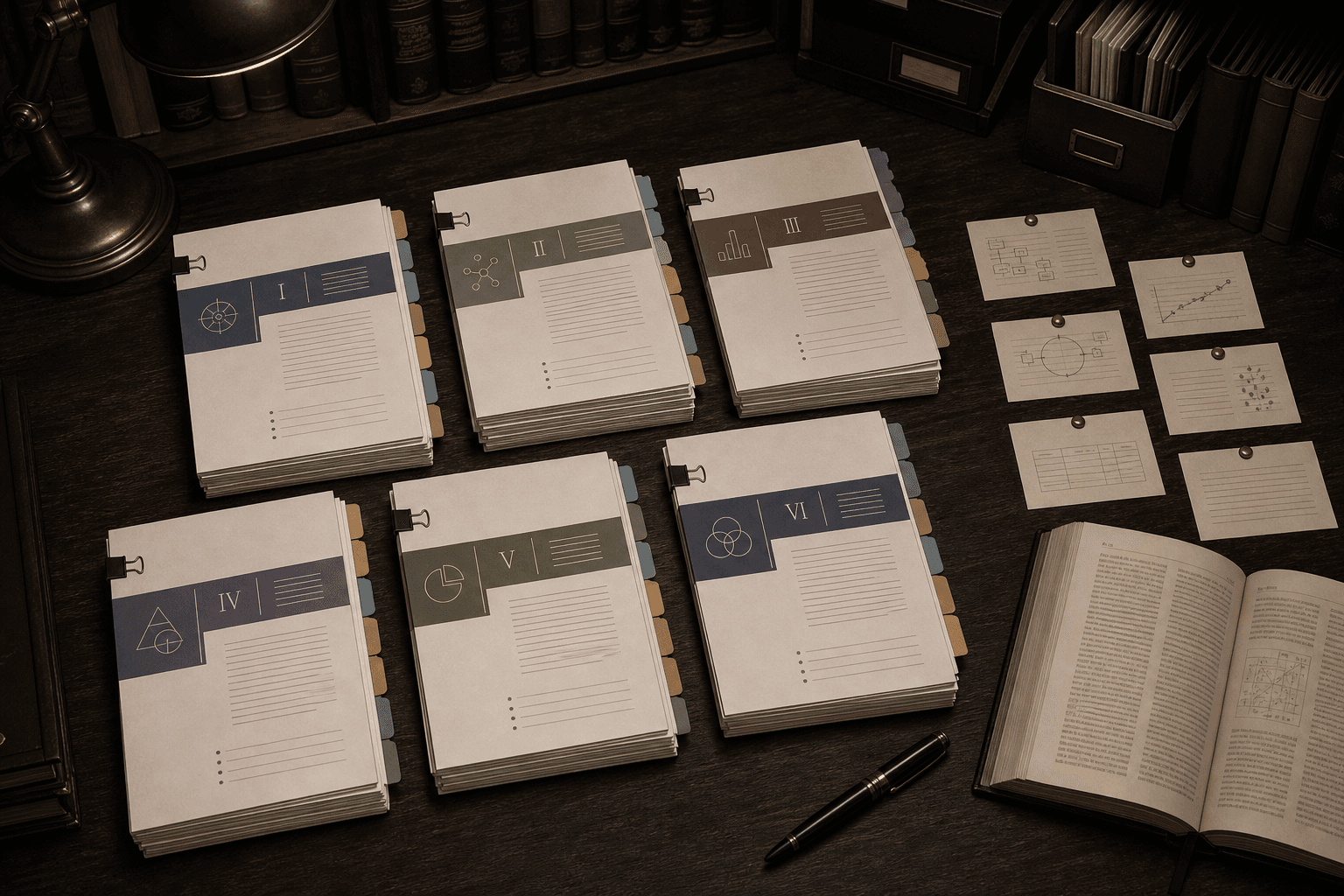
Stack of dissertation chapters with notes, literature extracts and revision marks
Chapter coherence

Each chapter must earn its place in the dissertation.

Define the job of each chapter

Every chapter should support the research question, not just add volume.

Tie claims back to sources

Important claims should trace back to a source you have opened and understood.

Keep method terms consistent

Sampling, coding, variables and limitations should not drift between chapters.

Use supervisor feedback as the control point

AI suggestions are optional. Supervisor and faculty rules are the stronger signal.

Method, data and ethics

Separate checks for method, data and ethics.

Before using any tool, know whether you are working with public literature, your own notes, participant data, institutional documents or unpublished material.

Proposal

Supervisor fit

Have you checked whether the question, scope and method fit the programme expectations?

Method

Design

Can you explain why your method is suitable without relying on a tool's wording?

Method

Analysis

Are codes, categories, variables or models your own documented choices?

Ethics

Clearance

Does your ethics approval allow the way you want to store, process or upload data?

Data

Confidentiality

Are participant details, unpublished material and institutional data protected?

Submission

Transparency

Can you explain what AI helped with and what remains your own academic work?

Common questions about AI and dissertations

Can I use AI for my dissertation?

Often yes, but it depends on your university policy, faculty rules, supervisor guidance and the task. Responsible use is usually around planning, source organisation, structure checks and language revision.

Can AI write the whole dissertation?

No. Your research problem, method, analysis, argument and final judgement must be your own. AI can support the workflow, but it cannot become the author of your dissertation.

Which AI tools help with the literature review?

Scite can help with citation context, Connected Papers with literature maps, NotebookLM with approved documents and Zotero with references. Each still needs your reading and judgement.

What about ethics clearance and research data?

Do not upload interviews, participant data, unpublished material or confidential documents unless your ethics approval, consent and tool terms allow it. When unsure, ask your supervisor or research office first.

Why is StudyTexter the main recommendation?

StudyTexter is useful when you need a full workflow that connects topic, sources, outline, chapter logic, referencing and final checks. The other tools are better for narrower jobs.